
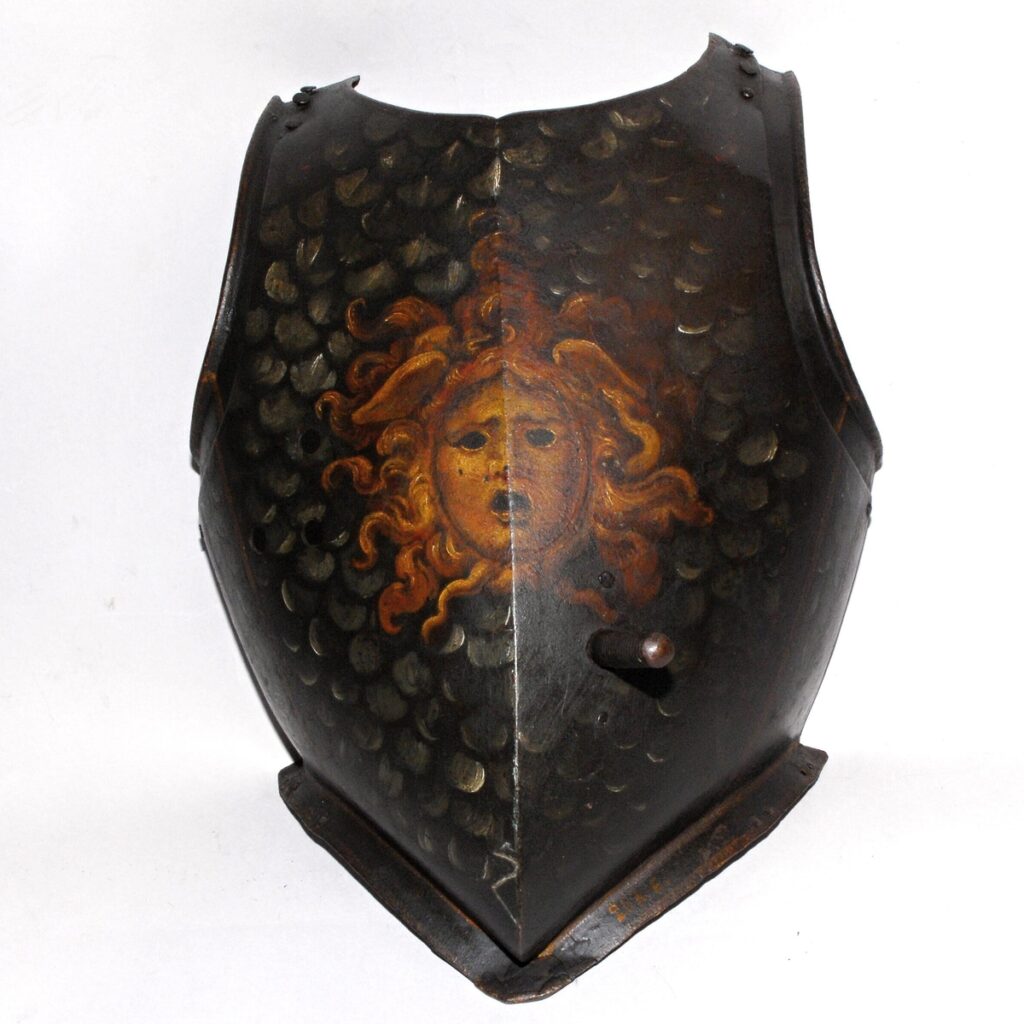
09 Painted Breastplate, Northern Italy, c. 1570
Fotogalerie
Decorative, militarily non-functional armour was worn during festivals, parades and theatrical performances with a war theme. Designers and makers of decorative armour were usually not platers, but painters and decorators.
The helmet and cuirass decorated with oil paints from around 1570 may come from a performance of the play Il Castello di Gorgoferusa, which was held at the court of Alfonso II d'Este, Duke of Ferrara (1533−1597), in honour of the visit of Archduke Charles of Habsburg. The age of the exhibit and the head of the Gorgon painted on the cuirass would suggest so.
Similar tournament theatres are also documented in Bohemia. Twice they were organised by Jan Zajíc of Hasenburg, Knight of the Order of the Holy Sepulchre, who, after visiting the Holy Land, was fascinated by the fighting against Ottoman expansion and wanted to convey it to Czech noble society. In 1544 and 1552, he organised the Sarmacia in Budyně nad Ohří, a comedy in the form of a noble festival with a tournament and a theatre performance. The guests witnessed a theatrical representation of the Turkish attack and the fight of the Christians against the invaders. In 1544, the festival also included the “burning of a village and the conquest of a castle”.
Height 480 mm, width 350 mm, weight 3 056 g.
Aktuálně
Veteráni UNPROFOR/ UNCRO opět vzpomínali na svou misi
Připomínka data narození: JOSEF BUBLÍK / 12. února 1920 - 18. června 1942
Jak Veteráni budoucích válek otřásli Amerikou
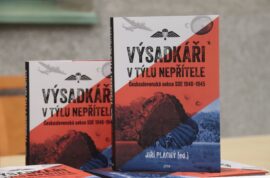
V atriu Armádního muzea Žižkov se křtila kniha historika Jiřího Plachého Výsadkáři v týlu nepřítele
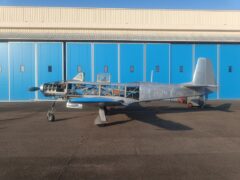
Renovace unikátního letounu VZLÚ TOM-8 se blíží ke konci




Vojenský historický ústav Praha
U Památníku 2, 130 05, Praha 3
muzeum@vhu.cz
Ředitelství
Ředitel VHÚ Praha
brigádní generál Mgr. Aleš Knížek
Sekretariát ředitele
+420 973 204 900
ID DS
hjyaavk
Správní rada pro vyřízení vývozních povolení, darů či výkupů
+420 973 204 903
Správní rada pro vyřízení zápůjček
+420 973 204 900
Veškeré informace týkající se zápůjček exponátů na výstavy a další akce, formuláře pro vývoz milirarií, práva k fotografiím a filmovým sbírkám atd. naleznete v samostatné rubrice Služby veřejnosti.
Knihovna VHÚ
Pracoviště Rooseveltova
+420 973 215 544
Vedoucí knihovny VHÚ
+420 973 215 938
knihovna@vhu.cz
Časopis Historie a vojenství
Šéfredaktor
David Pazdera
+420 973 204 941
Armádní muzeum Žižkov
U Památníku 2
Praha 3 - Žižkov
+420 973 204 924
Letecké muzeum Kbely
Mladoboleslavská ul.
Praha 9 - Kbely
+420 973 207 500
Vojenské Technické Muzeum Lešany u Týnce nad Sázavou
Lešany u Týnce nad Sázavou
pošta Krhanice, 257 42
+420 973 296 161