
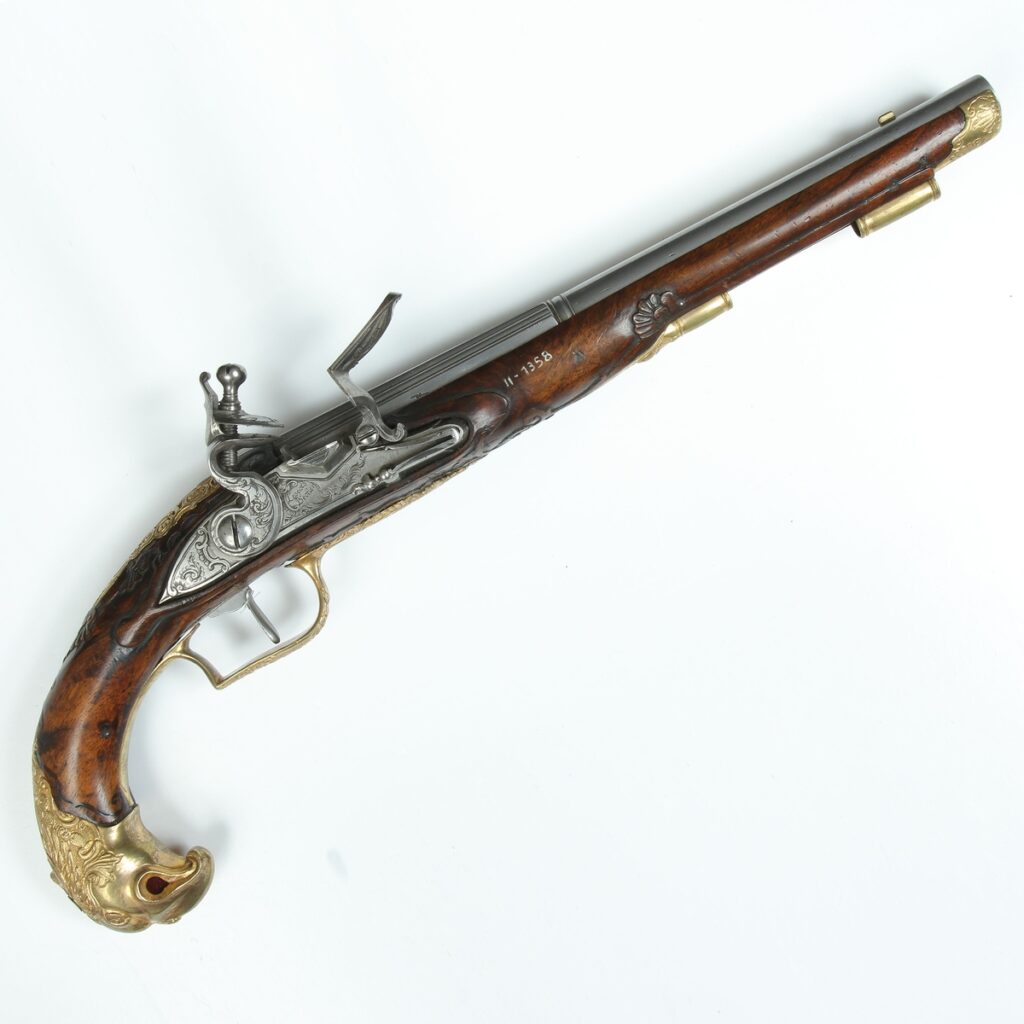
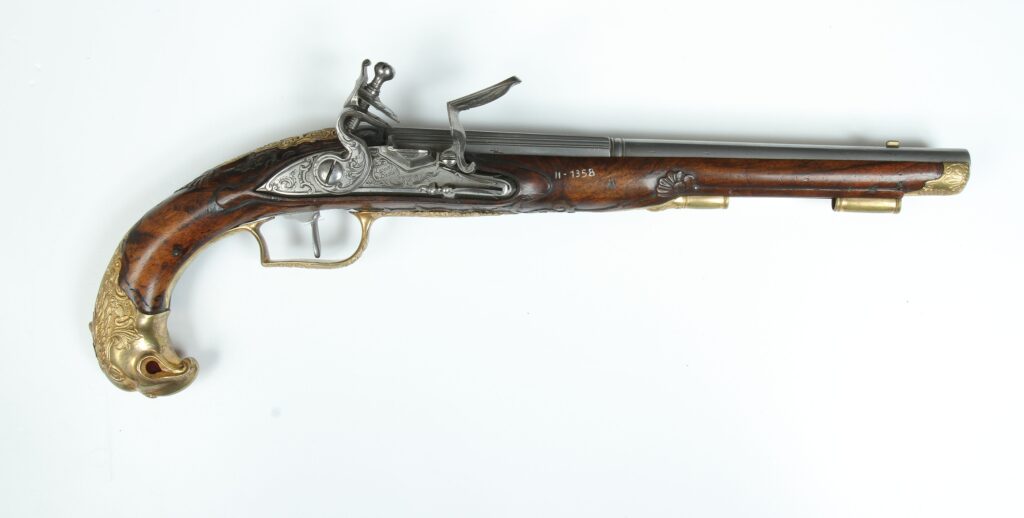
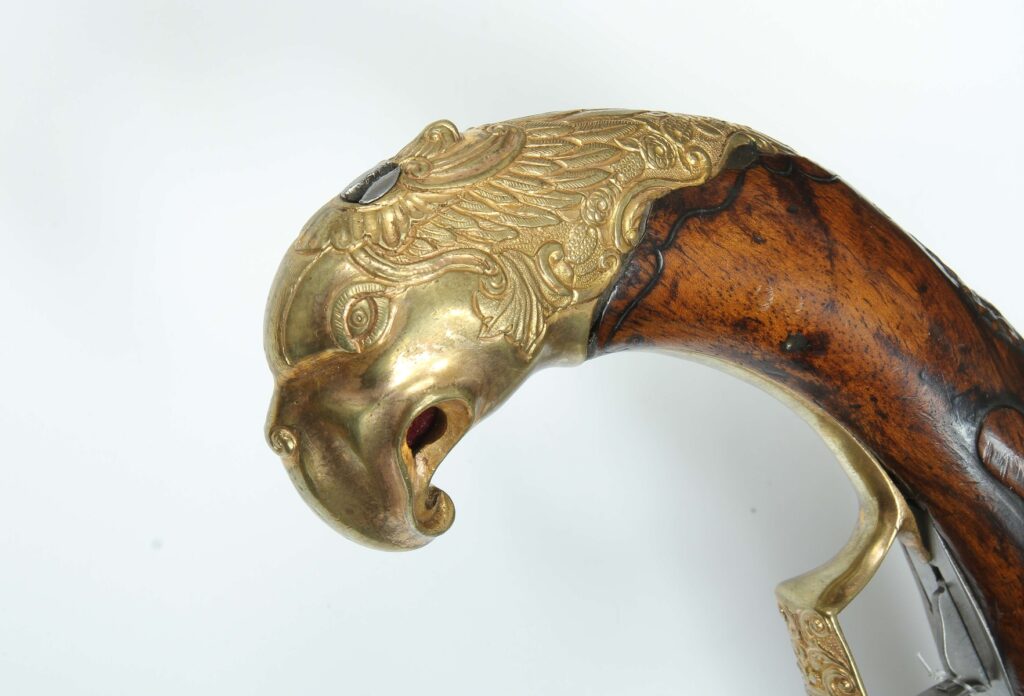
French Flintlock Pistol, L. Becher jr., Carlsbad, c. 1770
Fotogalerie
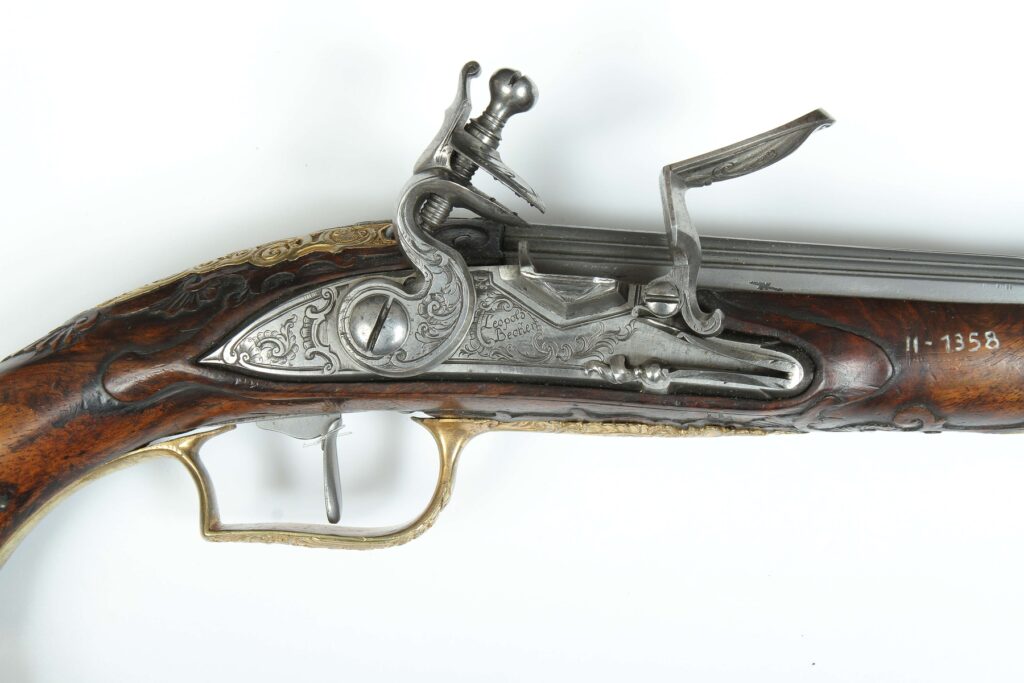
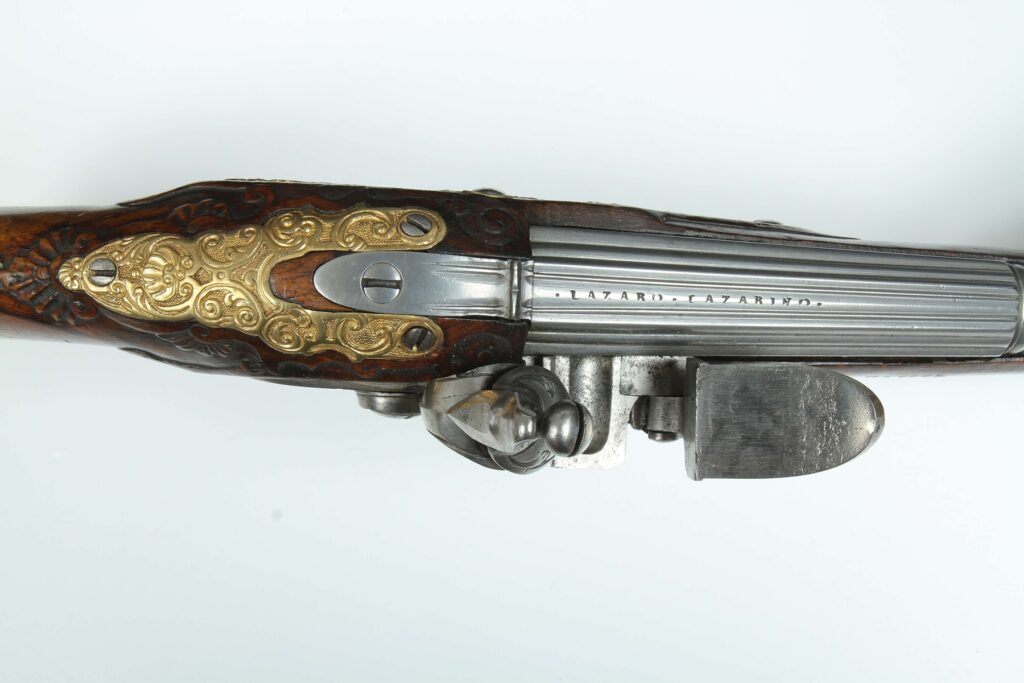
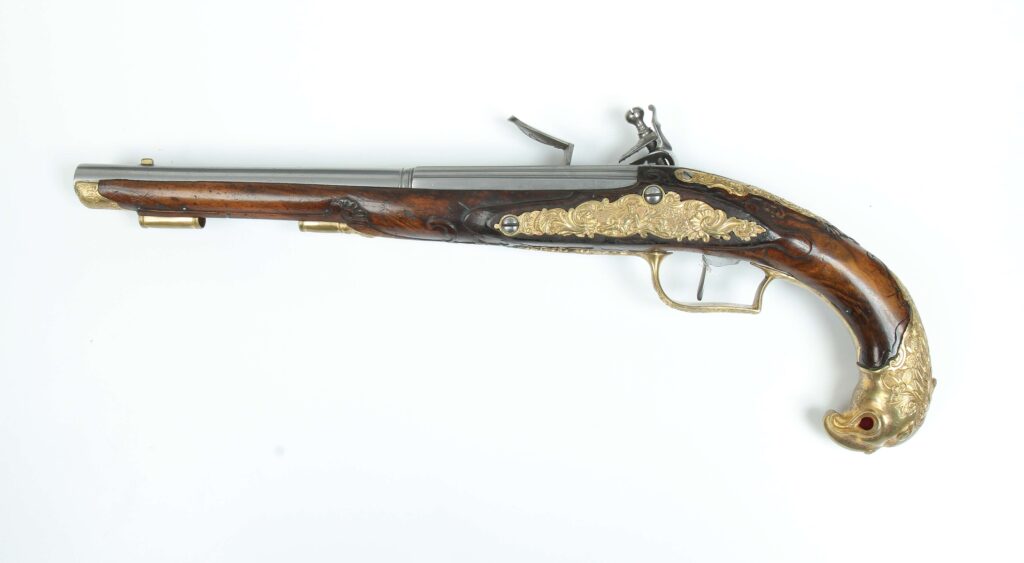
The Bechers of Karlovy Vary were members of a strong gunsmith guild, which was rivalled only by the Prague gunsmith guild during the 18th century. The oldest preserved guild book of the Karlovy Vary gunsmiths dates back to 1673 and we can read from it that guild meetings were held once a quarter and were compulsory for all gunsmiths, while journeymen could attend only exceptionally subject to invitation. The sons of gunsmiths were preferentially accepted as apprentices and their apprenticeship lasted three years. After that, they received an apprenticeship certificate and went to other gun-making centres such as Prague, Brno, Vienna and Nuremberg, to gain experience. After a three-year stint, they usually returned and worked as apprentices in their fathers’ workshops or in the workshop of another master gunsmith for another three years. They could then sign up for the master year, during which time they worked under the supervision of two masters appointed by the guild and at the end of which they had to present two handmade pieces. If these were deemed satisfactory, the submitter was admitted into the guild and declared a master gunsmith upon payment of the admission fee. He could then set up his own workshop and open a gunsmith’s shop.
At the time of the greatest boom of the Karlovy Vary gunsmithing, in the 1830s, the guild had twenty-five masters, each of whom could employ up to eight journeymen. At all times, the guild maintained strict order among its members and took great care of the high quality of gunsmithing products from Karlovy Vary. These were known all over the world, which was greatly helped by the status of the spa town, visited in the 18th century by a large number of wealthy guests, especially noblemen, few of whom could resist taking home a new hunting rifle or a pair of pistols. As late as 1788, there were still fourteen gunsmiths working in Karlovy Vary, of whom Leopold Becher Jr. stood out in particular, as his hunting rifles with their perfect artistic engravings, had a strong European reputation. However, at the beginning of the 19th century, in connection with the development of the weapon manufacturing industry, Karlovy Vary gunsmithing began to decline, and in 1835 the once famous gunsmith’s guild was dissolved.
Length 423 mm, barrel length 270 mm, 14.5 mm calibre, weight 954 g.
Aktuálně
Vojenský historický ústav Praha získal unikátní vlajku z roku 1918
Ministr obrany Jaromír Zůna se zúčastnil konference AOBP a prohlédl si Armádní muzeum Žižkov
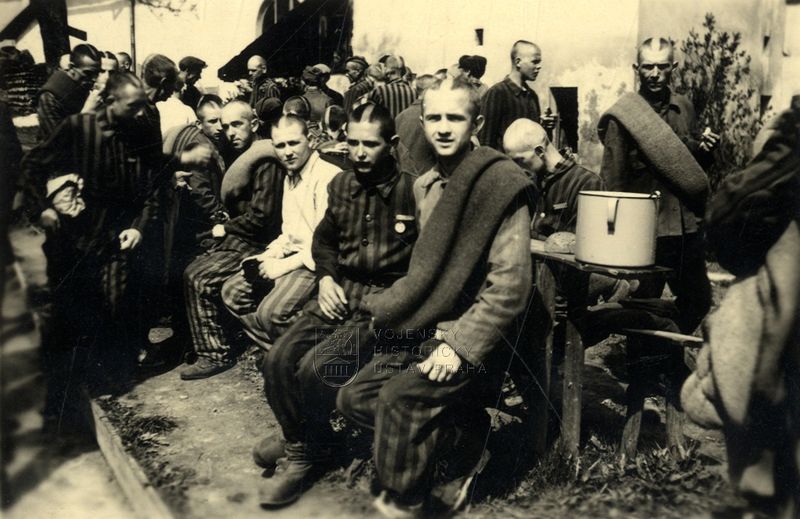
Dnes je Mezinárodní den památky obětí holocaustu, připomíná 81 let od osvobození koncentračního tábora v Osvětimi
V Armádním muzeu Žižkov začala programová konference České obce sokolské
Pracovník VHÚ Praha Jiří Rajlich oceněn za celoživotní přínos letectvu a Armádě ČR





Vojenský historický ústav Praha
U Památníku 2, 130 05, Praha 3
muzeum@vhu.cz
Ředitelství
Ředitel VHÚ Praha
brigádní generál Mgr. Aleš Knížek
Sekretariát ředitele
+420 973 204 900
ID DS
hjyaavk
Správní rada pro vyřízení vývozních povolení, darů či výkupů
+420 973 204 903
Správní rada pro vyřízení zápůjček
+420 973 204 900
Veškeré informace týkající se zápůjček exponátů na výstavy a další akce, formuláře pro vývoz milirarií, práva k fotografiím a filmovým sbírkám atd. naleznete v samostatné rubrice Služby veřejnosti.
Knihovna VHÚ
Pracoviště Rooseveltova
+420 973 215 544
Vedoucí knihovny VHÚ
+420 973 215 938
knihovna@vhu.cz
Časopis Historie a vojenství
Šéfredaktor
David Pazdera
+420 973 204 941
Armádní muzeum Žižkov
U Památníku 2
Praha 3 - Žižkov
+420 973 204 924
Letecké muzeum Kbely
Mladoboleslavská ul.
Praha 9 - Kbely
+420 973 207 500
Vojenské Technické Muzeum Lešany u Týnce nad Sázavou
Lešany u Týnce nad Sázavou
pošta Krhanice, 257 42
+420 973 296 161