
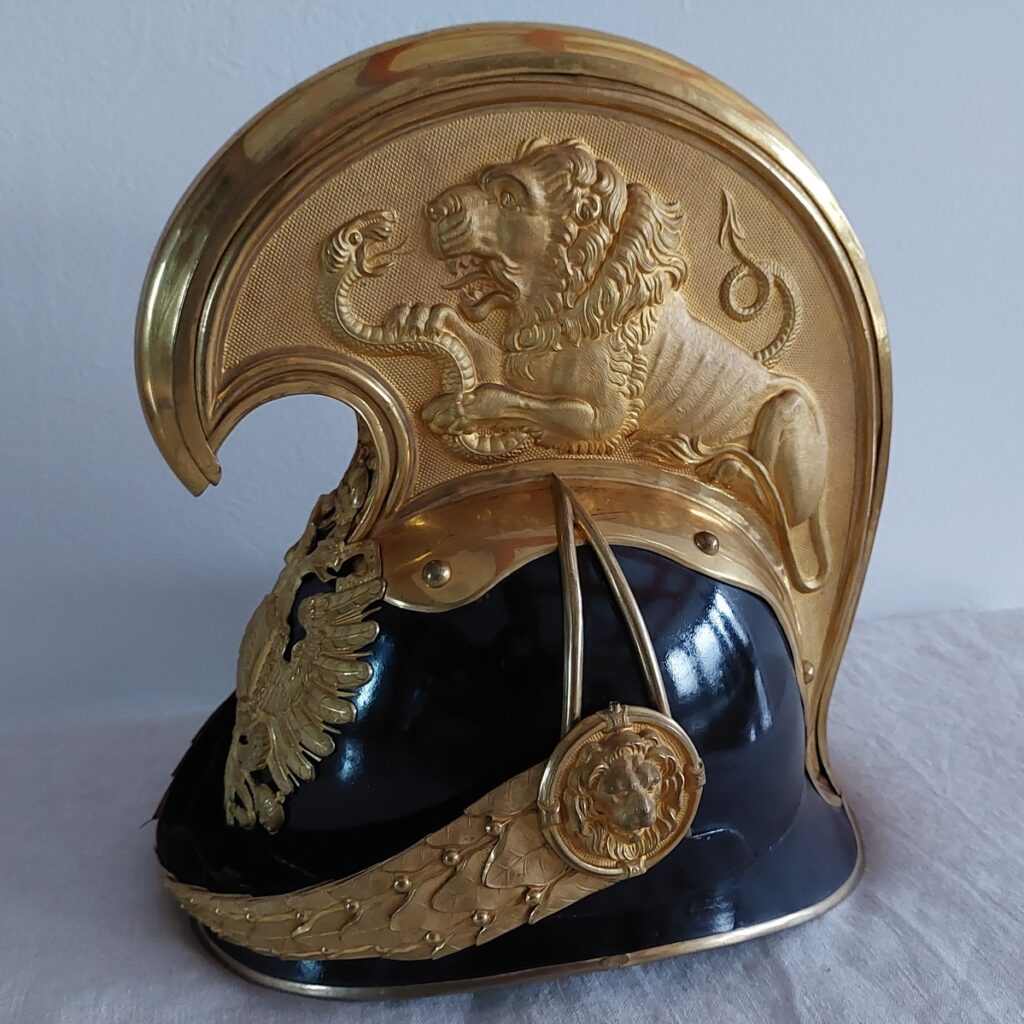
05 Austro-Hungarian Dragoon Officers Helmet, 1914
Fotogalerie
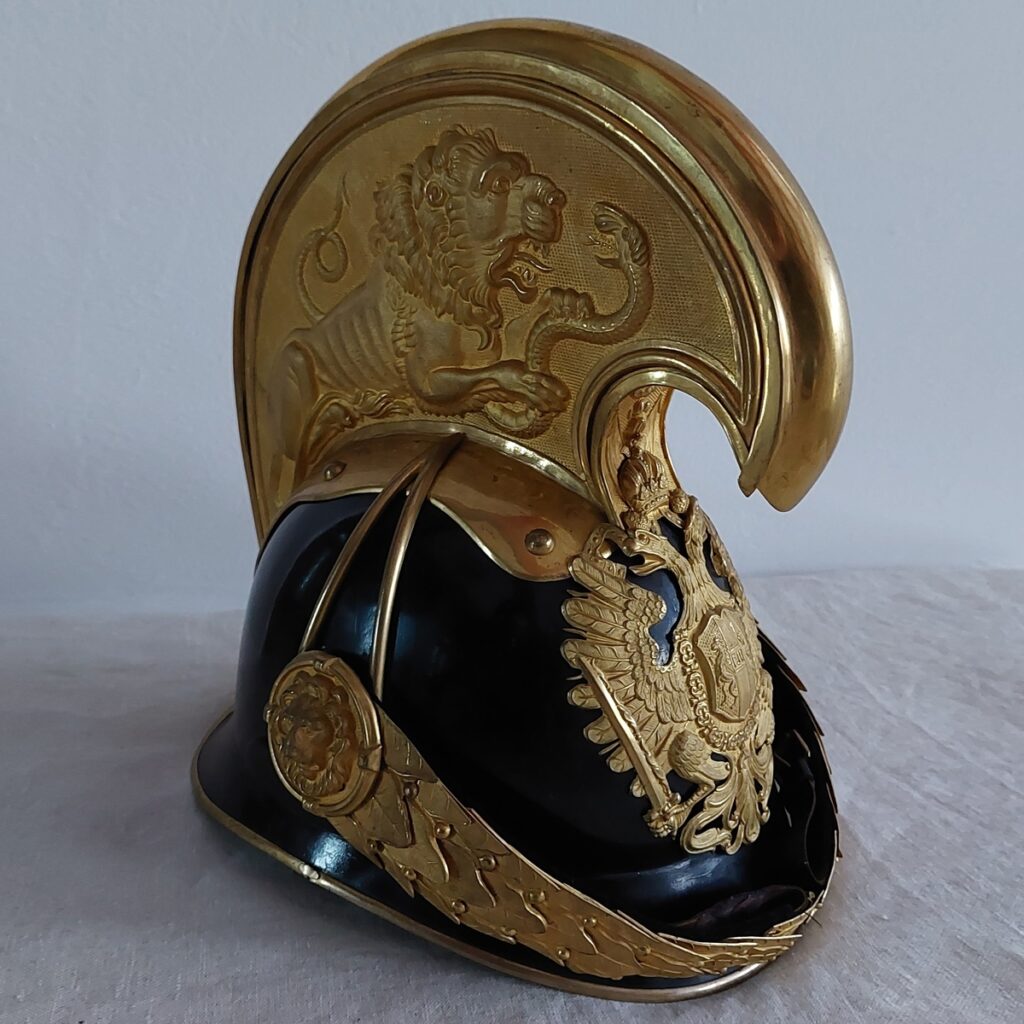
Dragoons of the Austro-Hungarian Army were one of the three main components of the cavalry. A characteristic element of their uniform from the middle of the 19th century was a helmet with a high crest (the original model was referred to as M 1850). In 1905, a new lighter helmet model with an oval diameter was introduced. Helmets did not indicate regiment affiliation, but at a glance it was possible to distinguish the categories of men, non-commissioned officers and officers. The latter wore helmets with the most lavish designs. The metal body was painted black. The scaly, gilded chin guard was decorated on both sides with headpieces with a lion head relief. Under the chin guard was a black lacquered leather strap with a buckle, allowing for fastening under the chin. A massive gilded coat of arms of the monarchy was fixed in the front. On the top of the helmet was a crest made of gilded metal. On both sides of the crest was a relief of a lion wrestling with a dragon (snake). Starting from the 16th century, the entire cavalry category was named after the dragons. The other metal elements connecting and lining the individual parts of the helmet were also gilded. After the outbreak of the First World War, they were repainted with a covering grey-blue colour because of unwanted glare or fitted with waxed canvas covers of the same colour.
Aktuálně
V neděli 8. března se v Sokolovu uskutečnil pietní akt
Připomínáme si výročí bitvy u Sokolova - 8. 3. 1943
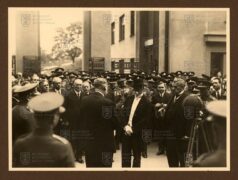
Připomínáme si 176 let od narození prezidenta T. G. Masaryka
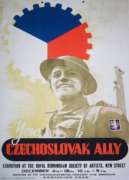
Připomínka data narození: parašutista Jan Hrubý / 4. 3. 1915 - 18. 6. 1942
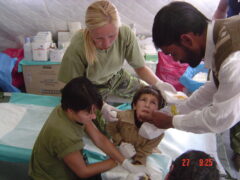
Připomínka 20. výročí ukončení humanitární operace NATO Winter Race v Pákistánu, v níž byli zapojeni i čeští odborníci a vojáci




Vojenský historický ústav Praha
U Památníku 2, 130 05, Praha 3
muzeum@vhu.cz
Ředitelství
Ředitel VHÚ Praha
brigádní generál Mgr. Aleš Knížek
Sekretariát ředitele
+420 973 204 900
ID DS
hjyaavk
Správní rada pro vyřízení vývozních povolení, darů či výkupů
+420 973 204 903
Správní rada pro vyřízení zápůjček
+420 973 204 900
Veškeré informace týkající se zápůjček exponátů na výstavy a další akce, formuláře pro vývoz milirarií, práva k fotografiím a filmovým sbírkám atd. naleznete v samostatné rubrice Služby veřejnosti.
Knihovna VHÚ
Pracoviště Rooseveltova
+420 973 215 544
Vedoucí knihovny VHÚ
+420 973 215 938
knihovna@vhu.cz
Časopis Historie a vojenství
Šéfredaktor
David Pazdera
+420 973 204 941
Armádní muzeum Žižkov
U Památníku 2
Praha 3 - Žižkov
+420 973 204 924
Letecké muzeum Kbely
Mladoboleslavská ul.
Praha 9 - Kbely
+420 973 207 500
Vojenské Technické Muzeum Lešany u Týnce nad Sázavou
Lešany u Týnce nad Sázavou
pošta Krhanice, 257 42
+420 973 296 161