
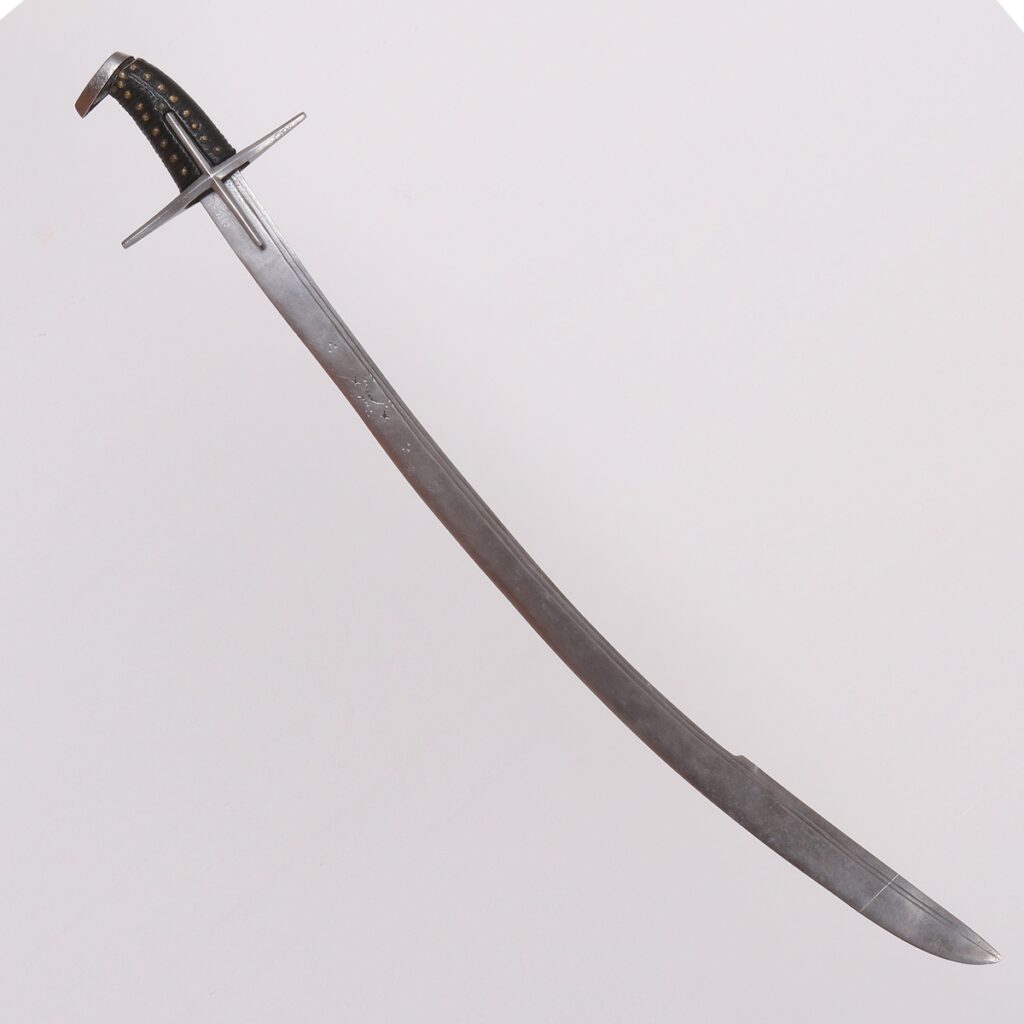
07 Sabre, Hungary, 2nd half of 17th century
Fotogalerie
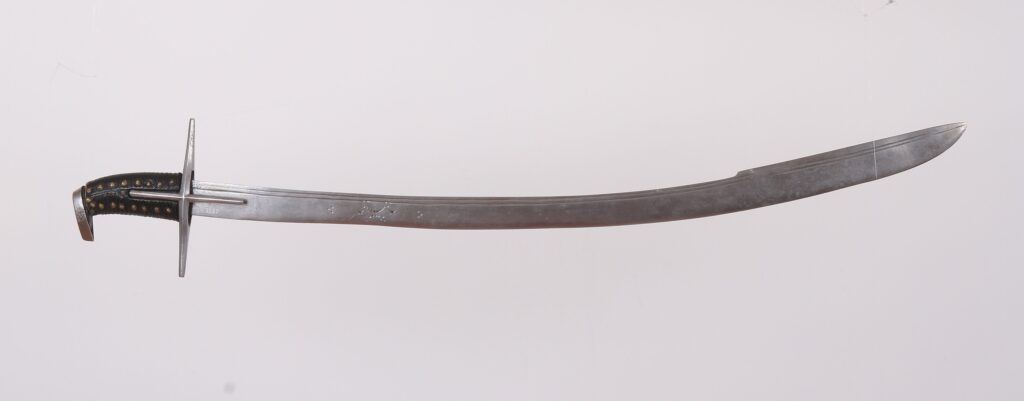
The sabre came to Europe from the East and became more popular during the Turkish wars when the nations fighting the Turks, the Hungarians, Russians and Poles, became familiar with it. The Turkish raids in the 16th century made the Turkish kilij sabre, which became widespread especially in the 17th century. The dominant influence of the kilij lasted until the end of the 18th century, when Napoleonic armies brought a Persian sabre called the shamshir from Egypt. The shamshir has a blade tapering towards the tip while the kilij has a yelman, a blade widened in the lower third and fitted with a second (false) blade.
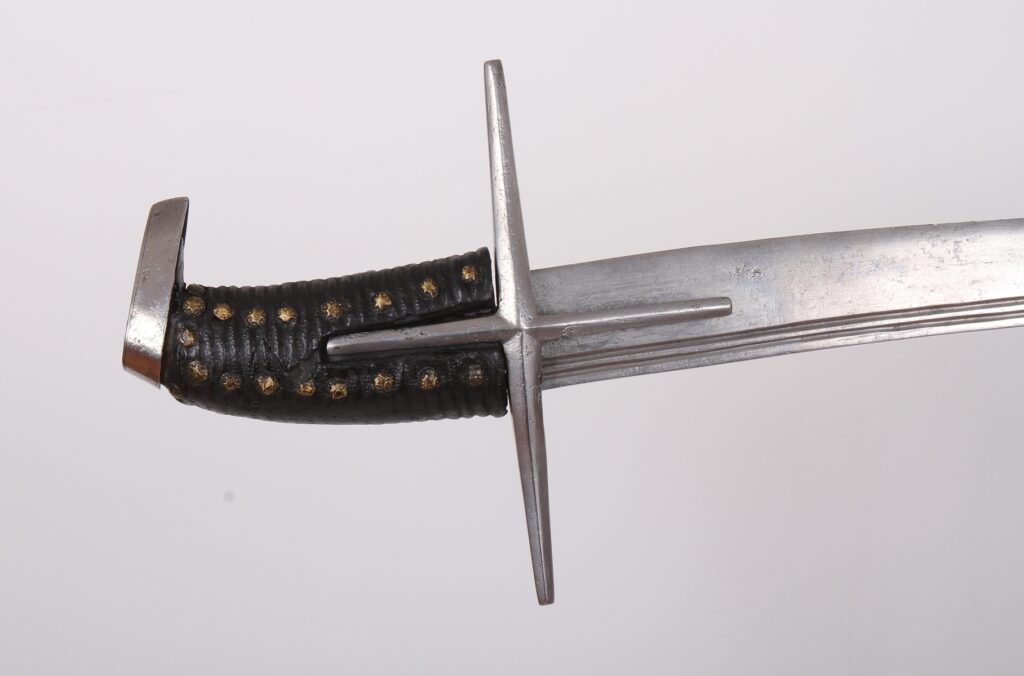
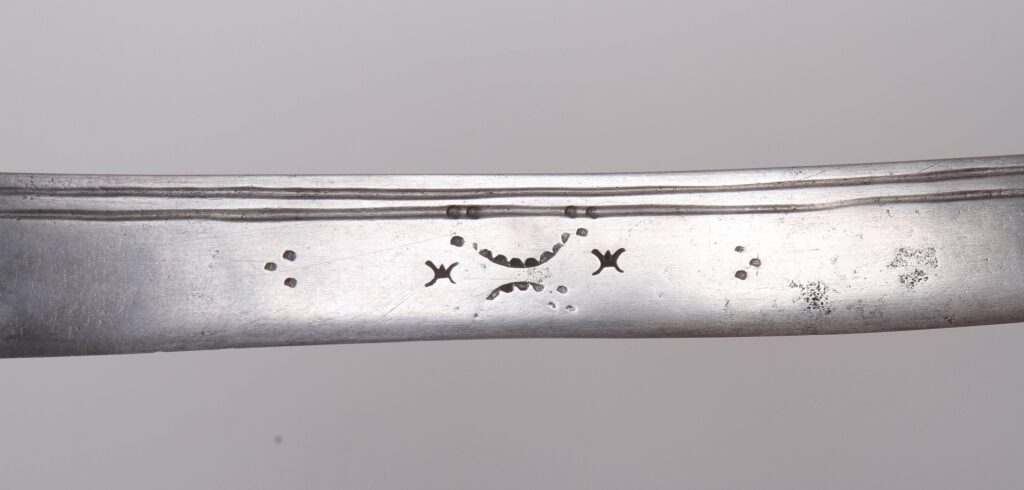
This Hungarian sabre is inspired by the shape of a Turkish kilij. Its single-edged blade is slightly curved and has two narrow grooves on both sides. The wooden grip is covered with leather and reinforced with brass rivets in the shape of rosettes. The iron fittings of the hilt consist of a wide cross-guard and a boat-shaped pommel.
In Europe, the sabre became widely used as soon as individual armies began to introduce regular corps of light hussars. The characteristics of this weapon, its lighter weight and considerable effectiveness, suited the mission of the light cavalry, which was to be highly mobile and fought in a similar way as the Turkish and Tartar armies on the vast steppes.
Length 850 mm, blade length 745 mm, blade width 38 mm, weight 798 g.
Aktuálně
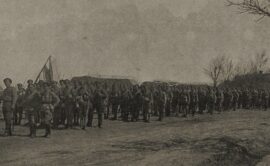
Stručně o 2. čs. střeleckém pluku
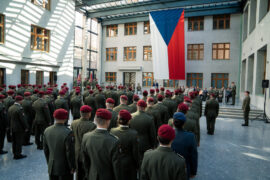
V Armádním muzeu na Žižkově se při slavnostním ceremoniálu měnilo velení českých speciálních sil
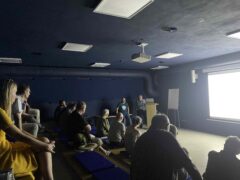
Přijďte tento čtvrtek do Armádního muzea Žižkov na komentované promítání. Tentokrát se zaměří na nešvary v armádě
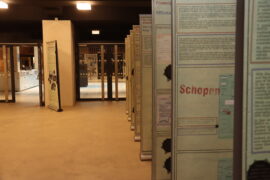
V Armádním muzeu Žižkov můžete vidět novou panelovou výstavu. Představuje administrativu povinné vojenské služby v českých zemích
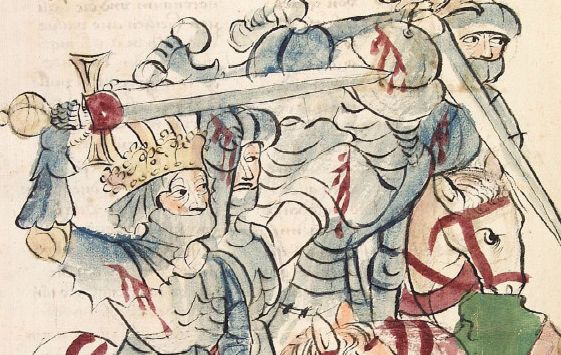
Bitva u Chlumce – triumf knížete Soběslava před 900 lety – 18. 2. 1126





Vojenský historický ústav Praha
U Památníku 2, 130 05, Praha 3
muzeum@vhu.cz
Ředitelství
Ředitel VHÚ Praha
brigádní generál Mgr. Aleš Knížek
Sekretariát ředitele
+420 973 204 900
ID DS
hjyaavk
Správní rada pro vyřízení vývozních povolení, darů či výkupů
+420 973 204 903
Správní rada pro vyřízení zápůjček
+420 973 204 900
Veškeré informace týkající se zápůjček exponátů na výstavy a další akce, formuláře pro vývoz milirarií, práva k fotografiím a filmovým sbírkám atd. naleznete v samostatné rubrice Služby veřejnosti.
Knihovna VHÚ
Pracoviště Rooseveltova
+420 973 215 544
Vedoucí knihovny VHÚ
+420 973 215 938
knihovna@vhu.cz
Časopis Historie a vojenství
Šéfredaktor
David Pazdera
+420 973 204 941
Armádní muzeum Žižkov
U Památníku 2
Praha 3 - Žižkov
+420 973 204 924
Letecké muzeum Kbely
Mladoboleslavská ul.
Praha 9 - Kbely
+420 973 207 500
Vojenské Technické Muzeum Lešany u Týnce nad Sázavou
Lešany u Týnce nad Sázavou
pošta Krhanice, 257 42
+420 973 296 161